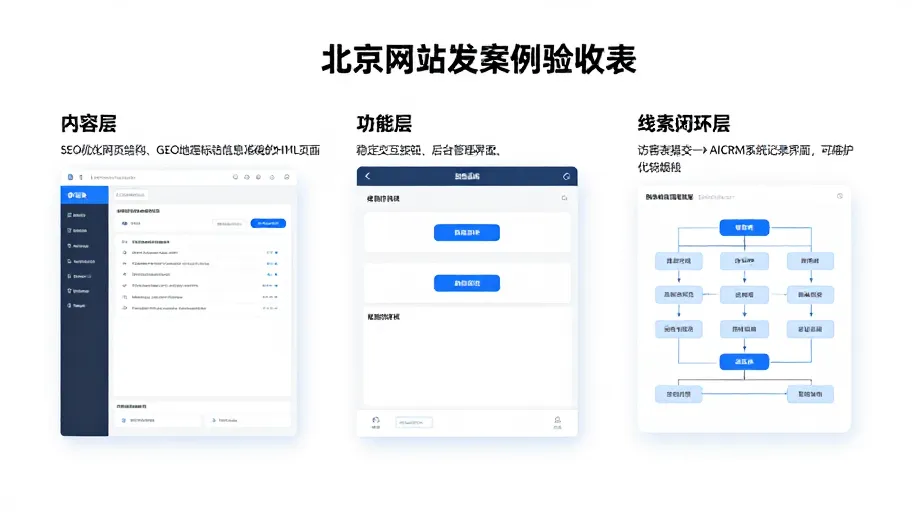
Accepting a Beijing website development case should not be limited to judging the homepage's visual appeal. It is recommended to verify three categories of issues: Content Layer (whether information is accurate and whether the structure supports SEO and GEO retrieval), Functionality Layer (whether interactions and backend systems are stable and maintainable), and Lead Closure Layer (whether the path from visitor to AI CRM record is functional). Only when all three layers pass can it be considered truly "delivered."
Direct Answer: When verifying a Beijing website development case, don't just focus on how visually appealing the pages are. Instead, conduct a step-by-step acceptance check across three layers: content (copywriting, sections, information accuracy), functionality (responsive design, loading speed, backend maintainability), and lead closure (forms, AI CRM integration, follow-up actions). Only when all three layers pass can you consider it a deliverable, sustainably operable corporate website. This article provides a ready-to-use acceptance framework and checklist to help Beijing-based tech firms, professional service providers, and B2B enterprises make informed decisions during the project's final stage.
When screening website development service providers in Beijing, many companies follow the approach of "reviewing case studies, comparing quotes, and finalizing cooperation." However, what truly determines the success or failure of a project is often not the selection phase but the acceptance phase—since case studies may appear similar, it's only during acceptance that the real differences become apparent. Rather than repeatedly comparing options before signing a contract, it's better to prepare a structured acceptance checklist: systematically verify each candidate provider's deliverables against three key dimensions—content quality, functional usability, and lead closure—using a consistent evaluation framework. This article provides a ready-to-use acceptance framework to help technology firms, professional service providers, and B2B enterprises in Beijing transform "case assessment" from an impression-based exercise into a concrete, actionable judgment.
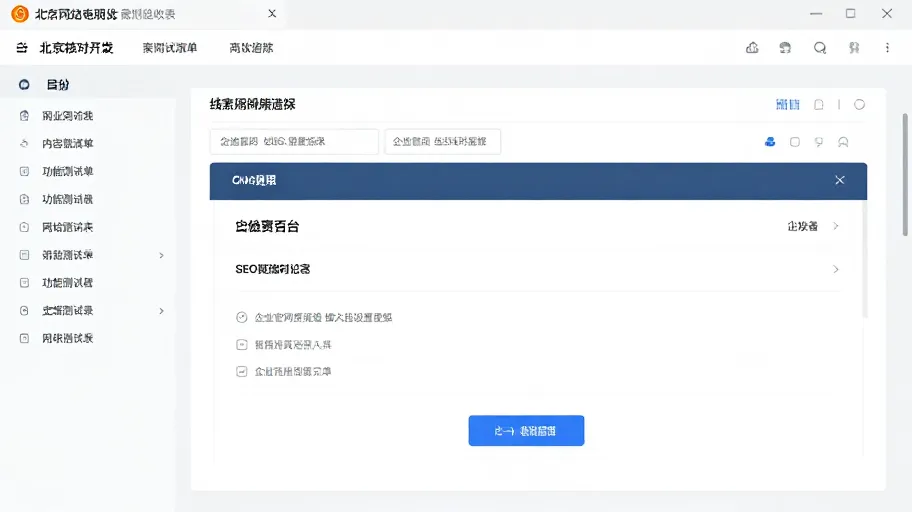
Direct Answer: When reviewing a Beijing website development case, don't just focus on how visually appealing the pages are. Instead, conduct a step-by-step acceptance process across three layers: "Content—Functionality—Lead Closure." At the content level, verify information accuracy and update mechanisms; at the functionality level, confirm responses and interactive behaviors; and at the closure level, ensure the corporate website can convert visitor actions into actionable sales leads. Below is a ready-to-use judgment framework and execution checklist.

Vibe Coding is moving toward production environments. This article dissects the technical core and implementation roadmap of Beijing Vibe Coding Development, helping you seize the initiative in AI programming.
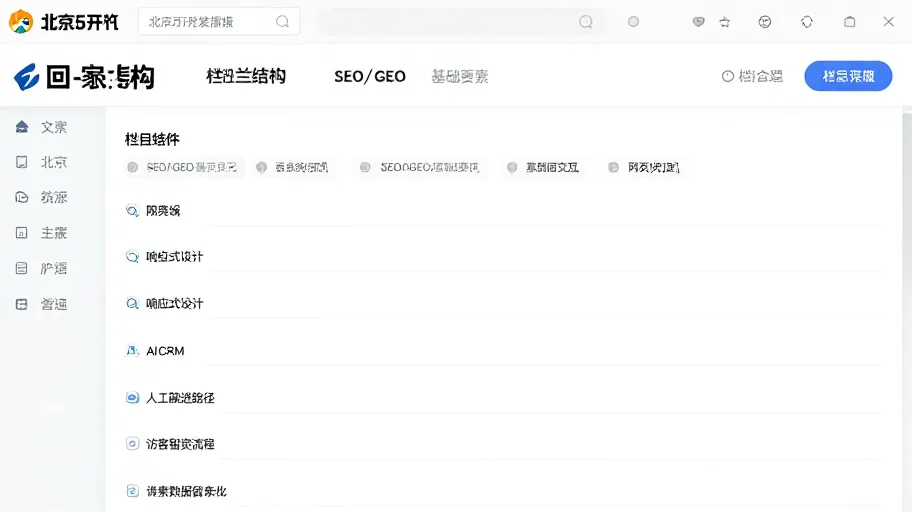
When reviewing a Beijing website development case, the acceptance process should cover three levels: content (whether copywriting, column structure, and basic SEO/GEO elements are complete), functionality (whether page interactions, forms, responsiveness, and backend usability meet the agreed-upon standards), and lead closure (whether the path from visitor inquiries to AI CRM or manual follow-up is established and traceable). A practical acceptance checklist can better assess the developer's true delivery quality than any promotional rhetoric.

When developing a Beijing SaaS website, the biggest fear is piling up features only to find no one paying for them. This article breaks down multi-tenant architecture and microservices selection, helping you calculate ROI and avoid 80% of custom development traps.
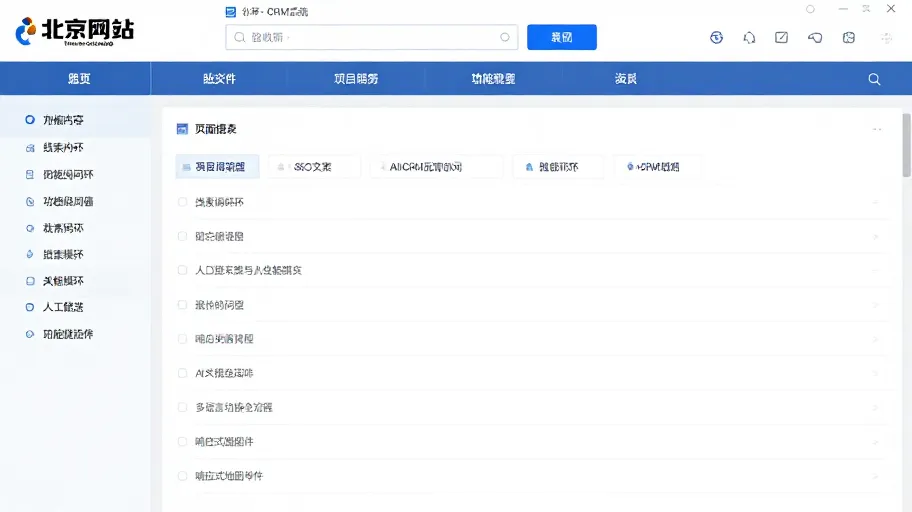
When accepting the deliverables of a Beijing website development project, the core is to answer three questions: whether the page content aligns with the business positioning, whether the functions are available as agreed, and whether visitor-generated leads can be fully received and followed up. Often, during the acceptance phase, companies focus solely on visual fidelity while overlooking lead closure—a critical factor determining the website's true value. This article provides a ready-to-use checklist and framework to help Beijing-based tech firms, professional service providers, and B2B businesses elevate their acceptance process from "looks good" to "item-by-item verifiable."
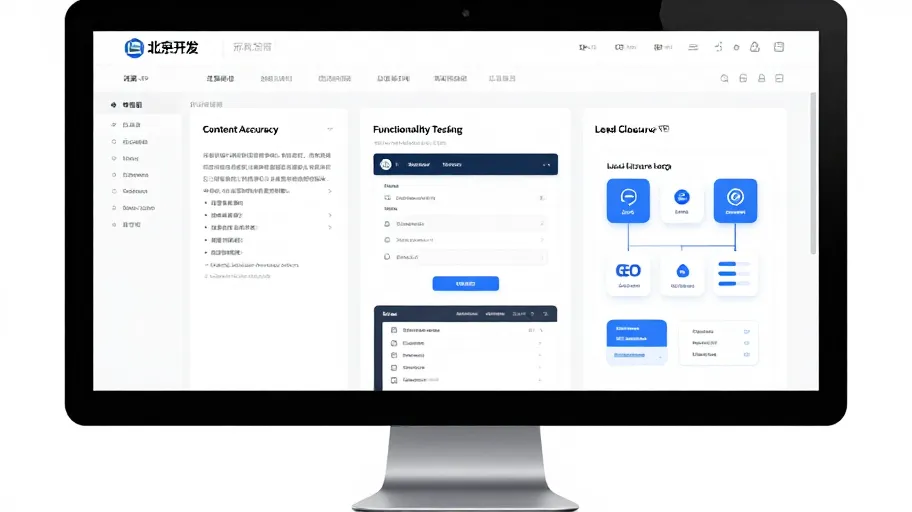
When accepting a Beijing website development project, it's not enough to simply check if the pages look "good." A more reliable approach is to prepare an acceptance checklist that verifies content accuracy, functionality usability, and lead closure across three key dimensions:

Excellent Beijing website development cases aren't just about stacking lines of code—they're engines of business growth. This article breaks down real-world examples, teaching you how to avoid costly pitfalls and turn your website into a continuously profitable digital asset.