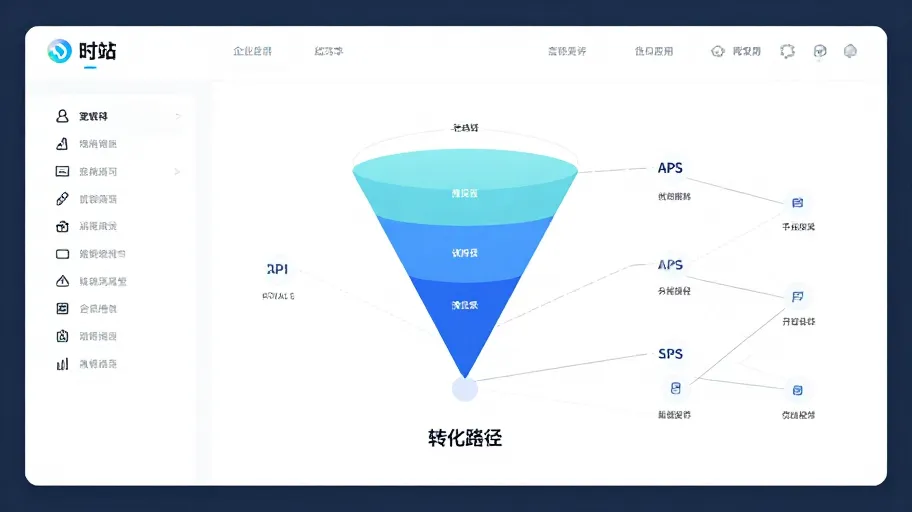
When undertaking a corporate website renovation in Beijing, the three most critical things to clarify before starting are: the existing traffic structure, the true performance of conversion paths, and the compatibility risks of new versus old system interfaces. Many technology and service companies focus on new features and interfaces, only to discover after renovation that organic search traffic has declined, inquiries have been lost, or internal system integrations have failed. This article provides a pre-renovation self-assessment framework to help you determine whether to initiate a Beijing Vibe Coding development project and what checks need to be completed beforehand.

北京科技企业不是缺流量,是缺被AI读懂的线索。当客户在文心一言里问“CUDA 12.4和PyTorch 2.3.0兼容吗”,你的答案若来自半年前的FAQ,就等于把商机亲手交给竞品。本文直击6类私有数据断点,用实测数据告诉你:打通3个接口,线索成本真能降42%。
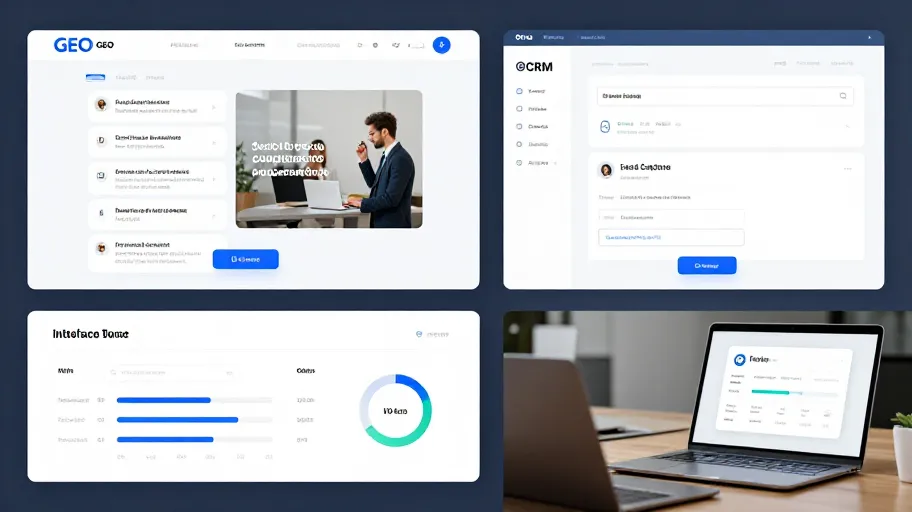
The core value of a GEO independent site lies in enabling businesses to move away from relying on single-point traffic, instead creating a self-controlled customer acquisition cycle that goes from "being found by AI search" to "handling inquiries," "nurturing leads," and "feeding back into content creation." Before deciding whether to invest, consider these three questions: Are your target customers increasingly finding supplier information through AI searches? Are your leads currently scattered across multiple tools with no follow-up? Does your website content only serve SEO purposes without considering GEO's answer-based presentation? If two out of these three answers are "yes," then a GEO independent site is worth evaluating.

In Beijing, there’s a development company that doesn’t change a single line of Java yet slashes delivery cycles by 47%—they’re tuning not parameters, but the emotional frequency between humans and machines. This article breaks down how API intent graphs, vibe profile modeling, and real-time feedback loops turn “user urgency” into deployable code logic.


北京B2B网站AI CRM不是功能堆砌,而是用客户意图建模和动态关系图谱重构销售节奏——实测线索转化周期缩短37%,高价值客户识别准确率达89%。本文直击中关村真实场景,讲清怎么选、怎么落、怎么赚。

AI CRM on Beijing B2B websites isn't an upgrade option—it's a filter: sifting out data-savvy outliers, process-black-box operators, and lead-fluctuation gamblers. This article uses five non-negotiable standards to help you determine—is your enterprise a beneficiary of AI, or its first runner-up?

When Beijing SaaS companies undertake website development renovations, they often pour all their energy into UI and functionality—but forget that what really bites isn’t the interface, but an unverified issuer field buried deep within the protocol layer. This article tackles five hardcore checkpoints overlooked by 92% of teams, each corresponding to real rework costs and quarterly revenue curves.

92% of Beijing SaaS projects stall abruptly at V1.5—not because the code fails, but because the architecture lacks the bones of compliance and growth. What truly matters isn’t UI delivery speed, but the confidence customers gain to renew on day 30 after launch. This article uses auditable technical layers, reproducible ROI pathways, and actionable due diligence checklists to turn custom development from a cost item into an LTV accelerator.