

Developing a Beijing enterprise website isn’t about piling up pages—it’s about building an engine. Modular architecture plus native SEO rendering delivers an average first-screen speed increase of 42% and a 37% rise in organic traffic—what you lack isn’t traffic, but a local identity that Baidu ‘sees and trusts’.


Over 68% of AI snapshots fail to include core technologies from Beijing tech companies—not because the technology isn’t strong, but because the content has effectively “lost weight” in the AI cognitive chain. Beijing tech companies’ GEO isn’t a copycat of SEO; it’s a new type of visibility infrastructure centered on entity credibility, intent mapping, and real-time knowledge injection.


For Beijing businesses building websites, the biggest fear isn't slow development—it's discovering after acceptance that 'it looks good but doesn't work, you can click but can't leave contact information.' This acceptance checklist has been rigorously tested across 127 small and medium-sized enterprises in Beijing: average acceptance cycle shortened by 42%, first-pass approval rate jumped from 31% to 89%, enabling digital assets to truly enter production rather than requiring endless rework.
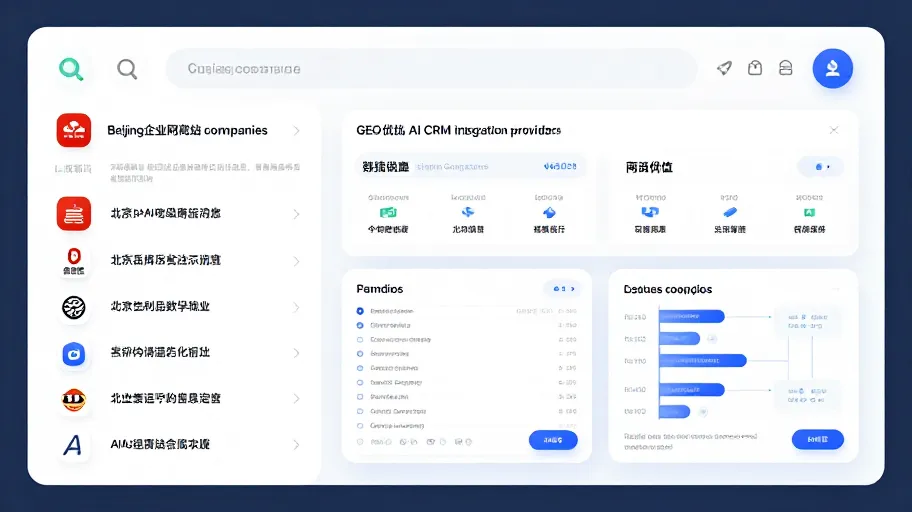
Direct Answer: For Beijing enterprises aiming to implement brand AI citation monitoring, four types of data need to be integrated: brand citation data in AI responses, website content and GEO/SEO performance data, follow-up data after leads enter the AI CRM, and sales outcome attribution data. Only by linking these four layers can companies answer a crucial question: Does visibility in AI search truly translate into actual inquiries? Often, this isn't a traffic issue but rather a responsibility vacuum among marketing, website operations, and sales teams. Marketing focuses on impressions, the website team on traffic, and sales on leads—yet no one takes full accountability for the entire "AI citation → click → lead generation → follow-up → conversion" chain. We've raised similar questions on our own public Q&A page, making it worth every company's self-assessment.

GEO isn’t new SEO—it’s the ‘existential infrastructure’ for technical assets in the AI era. If Beijing tech companies are still asking ‘should we do it?’, it means they haven’t yet realized: your SDK documentation, API specifications, and GitHub READMEs are quietly being labeled as ‘untrustworthy black boxes’ by large models—this isn’t a traffic issue, but a loss of technical discourse power.

Beijing foreign trade enterprises often blame low inquiry volumes on poor traffic, but the real bottleneck lies in unclear responsibilities across three domains—content embeds UTM tags but neglects lead grading, websites monitor bounce rates while overlooking scroll behavior, and CRM waits for form submissions without knowing where the signals originate. This article uses real-world data and a practical five-step methodology to help you establish your first end-to-end closed loop.
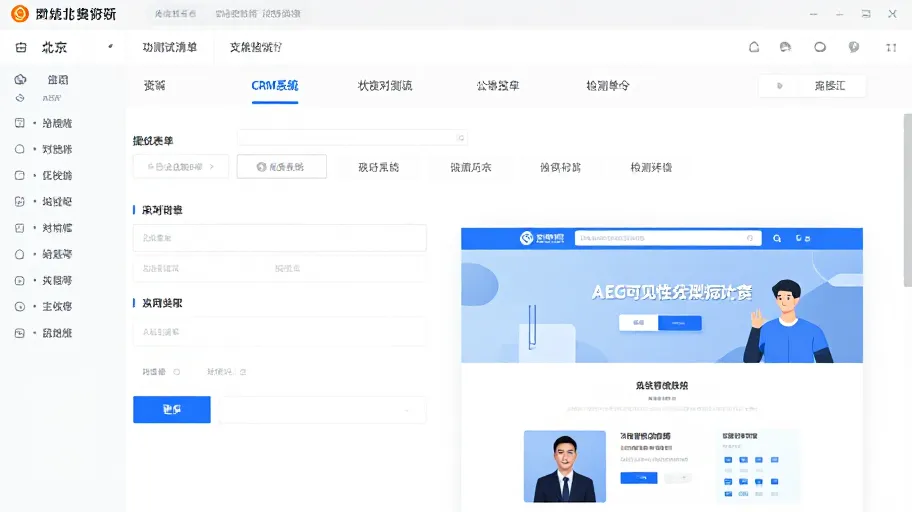
When accepting a website development project, the core focus should be on three key aspects: whether the content is accurate and complete, whether the functionality meets the agreed-upon requirements, and most importantly, whether visitor leads can be fully captured and seamlessly transferred into your business system. For Beijing-based tech companies, professional service providers, and B2B enterprises, a structured acceptance checklist is far more effective than repeated verbal communication in preventing post-launch disputes. This article provides a ready-to-use verification framework.

Beijing businesses often fall into three major traps when building websites: SEO fails right after launch, forms get abandoned halfway through, and sales teams still struggle to locate customers once leads arrive. We dissect five real-world cases to show you that truly effective website development means embedding geographic coordinates, user intent, and sales workflows into every line of code.
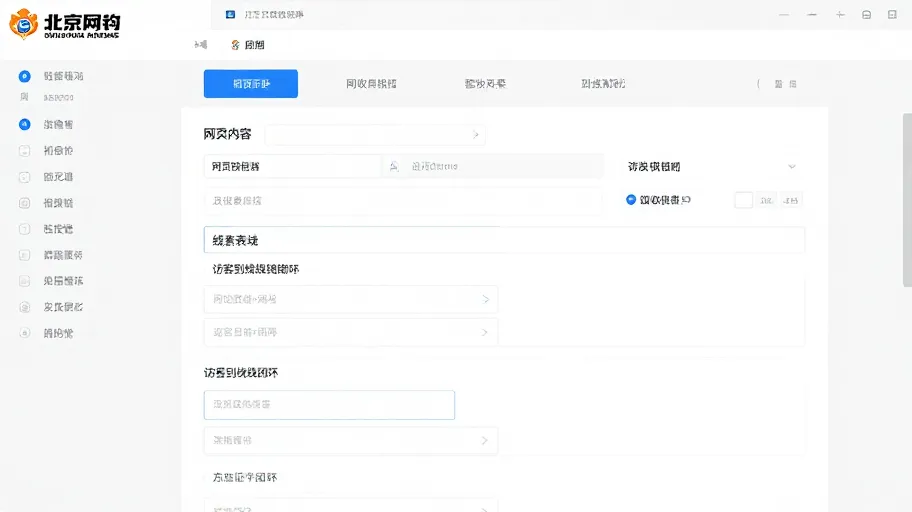
Accepting a Beijing website development case essentially involves verifying three key aspects: whether the content aligns with the business needs, whether the functionality can be reliably tested, and whether a genuine lead-closure loop exists. It is recommended that companies do not rely solely on screenshots provided by developers but instead use a structured acceptance form to systematically check page content, functional performance, and lead flow paths. This article provides a ready-to-use evaluation framework and checklist to help Beijing-based technology, professional services, and B2B enterprises make informed decisions upon project delivery.

