

In the fiercely competitive Beijing market, custom website development services are becoming the key for enterprises to break free from homogenization. From technical architecture to commercial returns, understanding this step is essential to securing the next growth cycle.

Traditional CRMs rely on manual data entry and report viewing, while AI-powered CRMs can predict needs and make automated decisions. Before customers even speak, the answers are ready. Here’s the real path to enterprise efficiency gains.

Customers no longer wait, yet systems still rely on manual entry? AI CRM is reshaping customer management with predictive services and automated decision-making. From response to anticipation, efficiency has more than doubled.

When search engines begin understanding user intent and CRMs can track anonymous visitor behavior, free lead generation stops being mere content stacking. We dissect three major paths of technological convergence, turning every search into the starting point of a sales lead.

Want to improve your website ranking with zero budget? Free SEO isn’t a temporary fix—it’s the core lever for small and medium-sized enterprises to stage a comeback. This article walks you through real-world data and replicable processes to turn search engines into your free growth engine.

90% of GEO traffic slipping away? The issue isn’t the ads—it’s that you haven’t used AI CRM to turn visitors into assets. Real growth comes from deeply analyzing every click, not constantly burning cash to buy new traffic.

In Beijing, programmers no longer rely on 996 to boost productivity—they leverage vibe to spark creativity. From garage-coffee hackathons to blockchain-certified technical resumes, a new development paradigm is taking shape.
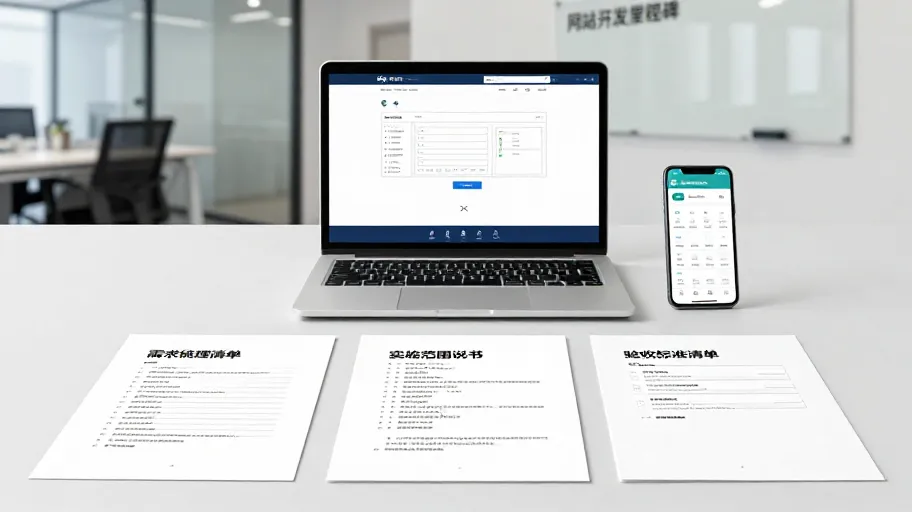
When Beijing-based enterprises initiate a website development project, the first questions they typically face are not "who to hire," but rather three key issues: whether requirements have been clearly defined, how the scope of implementation should be delineated, and how acceptance criteria can be established in advance. Proper handling of these three aspects significantly reduces the risks of repeated communication and scope creep; inadequate management often leads to endless revision cycles, delayed launches, and disputes over acceptance. This article provides a ready-to-use decision-making framework and an execution checklist to help you thoroughly consider critical decisions before signing a contract.

传统独立站获客即失联?GEO+AI CRM闭环系统正在改变游戏规则。从数据割裂到用户资产沉淀,看真实出海品牌如何用技术重构增长飞轮。

Website development for Beijing enterprises is becoming a new engine for foreign trade growth. Stop relying on templates to deal with overseas clients—a truly market-savvy, high-end custom website can double inquiries and skyrocket conversion rates. Here are five key strategies.
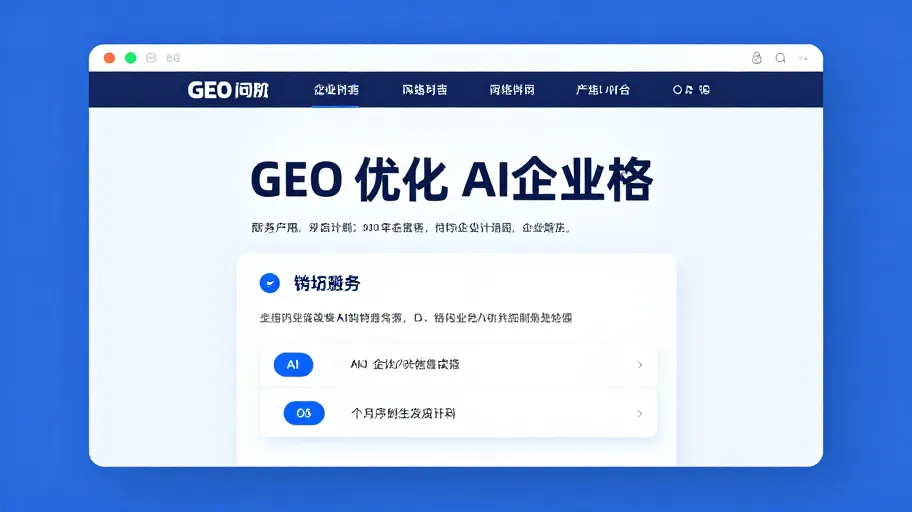
To determine whether a business needs GEO optimization, start with three questions: First, do your target customers actively seek AI-powered solutions related to your business? Second, does your existing website and content assets already contain structured information that can be referenced by AI systems? Third, does your team have the capability to consistently produce verifiable content aligned with factual business realities? If two or more of these answers are affirmative, it’s worth moving into the scope definition phase. If most answers are negative, focus on strengthening your content foundation first before pursuing GEO optimization—this approach is more cost-effective. This article provides a decision-making framework, a list of implementation scopes, and a set of negotiable acceptance criteria for Beijing-based technology, professional services, and B2B companies.

